Category: Guiding Notes

  • Mini Goal: Building Confidence Through Better Tone

    You don’t need to play an instrument to help your child find their tone.

    This month’s Mini Goal from Brighton Music is all about sound – specifically, helping your child explore what a clean, confident tone sounds like on their instrument.

    And guess what? You absolutely don’t need to know what “good tone” is to make this work.


    Why Tone Matters Early On

    Before worrying about notes or songs, the first real skill in learning an instrument is simply learning to make a steady, clear sound. That’s true for every instrument, whether it’s a bow gliding across strings or air buzzing through a brass mouthpiece.

    When students focus on tone first, everything else (notes, technique, reading music) builds on stronger footing.


    How You Can Help: Even If You’re Not Musical

    Try this simple conversation at home:

    “Can you show me what a good sound on your instrument should be like?”
    “What does a not-so-good one sound like?”

    They’ll love showing you both and probably giggle at the difference. Just giving them the space to demonstrate helps them tune into what they’re learning in class.

    If they’re not sure yet? That’s okay too. Explore it together. Listen for the differences. Ask how it feels when the sound is right.


    Try This:

    Ask your child to play their best sound of the day and give them a little round of applause. They’re not aiming for perfect, just clearer than yesterday. And that’s progress. 🙂

    Celebrate sound, not perfection.
    Ask your child to play their “best sound of the day” and cheer them on. Come back for more Mini Goals that make music fun and motivating at home!

  • Mini Goal: Teach Kids How to Set Up for Success

    Because the first win in music class is knowing how to begin.

    Each month, we’re sending you a Mini Goal: a simple way to support your child’s journey in band or orchestra. This month, we’re focusing on something teachers wish every student had down: how to properly set up their instrument.


    Why Setup Matters So Much

    For teachers, the first part of every lesson can feel like a juggling act – 15 students, 15 cases, and a hundred questions like “Which way does this go?” and “Where’s my reed?”

    When students know how to set up their instrument correctly on their own, it frees up valuable class time for actually making music. It also builds confidence and responsibility from the start.


    What You Can Do at Home

    Sit with your child and walk through their setup together. Depending on the instrument, this might include:

    • Opening the case safely (and knowing which way is “up”)
    • Assembling parts in the correct order
    • Proper posture and hand position
    • Attaching reeds, bows, straps, or mouthpieces the right way
    • How to clean up and pack it all away

    You don’t need to know the names of everything, just ask your child to explain it to you. That process helps them remember it more clearly.


    Try This:

    Ask your child:

    “Can you show me how you set up for class?”

    Practice it a few times together. If they’re unsure, we’re happy to walk you through it too. You’re giving them (and their teacher!) the gift of readiness.

    Confidence starts before the first note.
    Practice instrument setup with your child this week and watch their confidence grow. If they get stuck, we’re here to walk you through it together.

  • How to Support Kids in Music When They Say “I Don’t Like It”

    Don’t panic. It’s probably not about the music.

    Hearing “I don’t like band” or “I don’t want to be in orchestra anymore” can feel like a gut punch, especially when you’ve seen how much they’ve grown already. But here’s the good news: it’s a common bump, not the end of the road.


    What’s Really Going On?

    Most of the time, “I don’t like it” means something underneath:

    • “I feel behind.”
    • “It’s harder than I thought.”
    • “I’m comparing myself to everyone else.”

    It’s not the music that’s the problem, it’s how they feel in the moment.


    This Is Where You Come In

    Don’t try to talk them out of their feelings. Start by getting curious.

    “What part do you like the least right now?”
    “What’s something that’s been really hard lately?”

    Their answers might surprise you and help you support them in a way that actually helps.


    Normalize the Struggle

    Let them know it’s okay not to love every minute. Even the most passionate musicians have off days (or off months).

    Quitting in a hard moment is like closing a book halfway through. Sometimes the best parts are still ahead.


    Try This:

    Ask one simple question today:

    “If you could change one thing about band/orchestra, what would it be?”

    Then just listen. That one conversation can unlock what they really need from you.

    Lean into the conversation.
    The next time your child says “I don’t like it,” try asking what feels hardest right now. We’ll be here with more ways to support, encourage, and keep their music journey moving forward.

  • Music Practice Tips for Kids: Connect Practice to Songs They Love

    Let’s connect their music practice to what they already love.

    Sometimes practice can feel like a chore – especially when it’s all scales, warm-ups, and unfamiliar songs. But there’s a simple way to bring back the spark: connect it to music they already enjoy.


    Ask Two Simple Questions

    “What’s your favorite song to play right now?”
    “What’s your favorite song to listen to?”

    These questions open the door to creativity, curiosity, and connection. And they remind your child that music isn’t just a subject, it’s something they live.


    Personal = Powerful

    When kids get to play music they recognize or love, something shifts. Practice becomes a choice, not a task. Confidence grows. Motivation kicks in.

    And you don’t have to wait for their teacher to assign it. If they love a particular song (even a pop tune or video game theme) we may be able to help you find a simplified version they can learn.


    Try This:

    Ask those two questions this week.
    Then let us know what they say, we’d love to help you track down the sheet music! This is where music becomes theirs.

    Make music theirs.
    Ask your child what song they love most this week and explore ways to bring it into their practice. Come back for more ideas that turn practice into play!

  • Ask child: What has been difficult but is better now?

    One question that helps your child see how far they’ve come.

    Progress in music isn’t always obvious. It happens in quiet, gradual ways – like smoother finger changes, fewer squeaks, or finally remembering that one tricky note.

    But kids don’t always notice how much they’re growing… unless we help them see it.


    This Question Shifts Everything

    “What’s something that used to be hard but is easier now?”

    It’s simple, but powerful. It turns their focus from frustration to progress. From what’s wrong to what’s working.

    And when they realize they’ve improved, even a little, motivation kicks in again.


    Why It Works

    Kids often measure success in big milestones: finishing a song, getting a good grade. But most of music happens in the tiny, invisible steps. This question brings those wins into focus.

    You’re not just helping them reflect. You’re helping them build confidence.


    Try This:

    Ask that one question during dinner or on the ride home:

    “What’s gotten easier for you in music lately?”

    Then pause, let them think, and celebrate whatever they say.
    Progress isn’t always loud, but it’s always worth noticing.

    Progress deserves to be celebrated, even the quiet kind.
    Keep this question in your back pocket and watch how it shifts your child’s perspective. Come back for more simple ways to nurture confidence, joy, and a lifelong love of music.

  • Music Practice Tips for Kids That Build Confidence

    And how to gently encourage more without the eye rolls. 🙂

    Here’s a common surprise: many beginning band and orchestra students don’t actually bring their instrument home very often. It stays in the locker. Or the back of the music room. Or the bus.

    But playing at home (even just a few times a week) is where confidence really starts to build.


    Home Practice = Safe Practice

    At home, there’s no pressure. No one to compare themselves to. Just space to explore and repeat things at their own pace.

    Even 10 minutes, 2-3 times a week, can make a huge difference.


    You Don’t Have to Enforce. Just Encourage!

    Instead of saying “You need to practice,” try something like:

    “I’d love to hear that piece you’ve been working on.”
    “Can you show me the note you struggled with last week?”

    Your interest signals that this matters and that they’re supported.


    Let Them Feel Seen

    One of the biggest motivators for kids? Knowing someone cares about what they’re doing. A short concert for you, a sibling, or even the family pet can reignite that sense of pride.


    Try This:

    Ask your child to bring their instrument home once this week and just play one short piece for you. No critique. Just applause.

    Little moments matter most.
    Encourage your child to bring their instrument home, even just once this week, and celebrate the effort, not perfection. We’ll keep sharing ideas to make those small steps feel fun, inspiring, and worth coming back for. 🙂

  • Fun Resources to Shake Up Practice Time

    Because a different approach can reignite the spark.

    When practicing feels habit-bound or boring, mixing in something fresh can make all the difference. Here are a few simple ideas to bring back the joy:


    1. Play-Along Backing Tracks

    • Kids can feel like rock stars with simple play-alongs that match their skill level.
    • Style options: pop, jazz, movie themes, you pick what resonates.
    • Plus, timing and phrasing feel different (in a good way!) when there’s a groove to follow.

    2. Musical Games & Apps

    • Rhythm Clapping Games: Turn rhythm drills into a game: “copy this pattern” or “beat the beat.”
    • Treble or Bass Note Bingo: Make flash cards and play bingo, reinforces note names in a playful way.
    • Tune Hero (or similar): Game-style platforms that score progress and celebrate wins.

    3. Write Your Own Four-Note Melody

    • Grab paper or an app and let your child compose a simple, four-note tune.
    • No rules! Just encourage creativity and experimentation.
    • Bonus: ask them to perform it for the family!

    4. Duet Play-Alongs

    • Think karaoke with instruments.
    • You can play a simple melody behind them or use pre-recorded duet tracks (like piano + melody).
    • Playing along builds confidence, connection, and fun.

    5. Visual Practice Logs

    • Use color stickers or stamps for every successful practice day.
    • Add smiley faces or notes for breakthroughs or firsts. 🥳
    • It turns tracking into an achievement board.

    Try This:

    Choose one of these resources and try it out together this week. Let your child pick – no forcing, just exploring. It could turn a stale moment into a highlight of their day.

    We’d love to hear what sparks joy in your home.
    Tried one of these ideas? Got your own twist? Share it with us next time you visit, or tag us in your music-making moments. Every little breakthrough is worth celebrating and we’re here for all of it.

  • How to Set Up a Practice Space for Your Child: A Guide for Musical Success

    How to Set Up a Practice Space for Your Child: A Guide for Musical Success

    When your child begins their musical journey—whether it’s the flute, trumpet, piano, or drums—having a dedicated and inspiring space to practice is one of the best gifts you can give them. A well-thought-out practice area not only encourages regular playing but also helps kids develop discipline, confidence, and a love for music.

    Here’s everything you need to know to create the perfect at-home practice space for your child.


    1. Choose the Right Location

    Quiet but not isolated: Look for a space that is quiet enough for focus but still somewhat connected to the rest of the home. A spare bedroom, corner of a family room, or even a sectioned-off basement can work well.

    Avoid high-traffic areas: Try not to place the space near TVs or noisy appliances, which can distract your child while practicing.

    Natural light is a bonus: A well-lit space (especially with natural light) can make practice feel more enjoyable and less like a chore.


    2. Set Up the Essentials

    Instrument station: Ensure the instrument is easy to access and already set up or quick to assemble. The easier it is to start practicing, the more likely they will do it!

    Sturdy seating and stands:

    • Use a proper music stand (not a table or desk).
    • Provide a supportive chair or bench—ergonomics matter, especially for posture and hand positioning.

    Lighting: Use a clip-on stand light or a desk lamp to make sure the music is clearly visible during evening sessions.


    3. Control the Sound

    For acoustic instruments: Use rugs, curtains, and fabric furniture to absorb sound. If needed, sound panels can help reduce echo in a room.

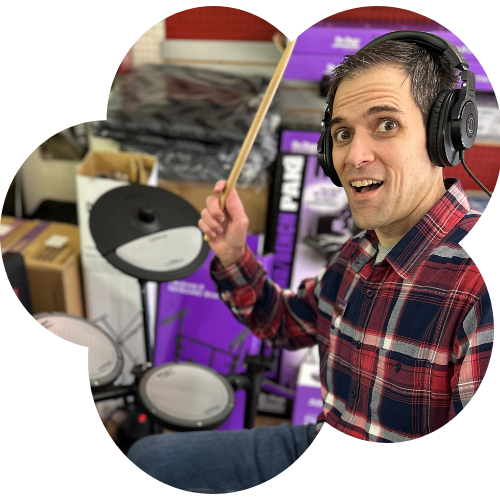
    For amplified or louder instruments: Consider sound-dampening foam, drum mutes, practice pads, or even a digital instrument that can be used with headphones.

    For family peace: A white noise machine outside the room or thick doors can help buffer sound for the rest of the household.


    4. Keep Supplies Within Reach

    A small shelf, rolling cart, or bin can hold everything your child needs:

    • Sheet music/books
    • Reeds, valve oil, rosin, picks, etc.
    • Metronome/tuner
    • Pencils and highlighters
    • Practice journal or assignment sheet

    This setup reinforces organization and ensures no time is wasted hunting for materials.


    5. Make It Personal and Inspiring

    Decorate with music in mind: Posters of famous musicians, framed recital programs, or their school band photo can be motivating.

    Incorporate goals and achievements: A whiteboard or corkboard can track weekly goals, practice minutes, and upcoming performances. Celebrate milestones to keep your child engaged.

    Let them help set it up: When kids are part of creating their space, they feel a sense of ownership and pride that translates into stronger commitment.


    6. Establish a Routine

    A great practice space is only as useful as the routine built around it. Set a consistent time for daily practice, and encourage short, focused sessions over long, distracted ones.

    You can use timers, reward systems, or log sheets to create accountability (without turning it into a chore).


    Bonus Tip: Surprise Them with a Practice Kit

    Create a small “Welcome to Your Practice Space” gift with:

    • A fun music notebook
    • Stickers or stamps for practice charts
    • A personalized pencil or stand light
    • A streaming playlist of their favorite songs or inspiring artists

    It’s a small gesture that makes practice time feel special.


    🎵 In Conclusion…

    Setting up a practice space is about more than creating a corner with a chair and stand—it’s about showing your child that their musical journey matters. With a space tailored to their needs, they’ll be more motivated, more consistent, and more connected to the joy of music.

    If you’re looking for the right gear or need help outfitting your space, Brighton Music Center is here to help with expert advice and tools to get your young musician off to a great start.

  • Upgrading Made Easy: What Parents Should Know (Downloadable Upgrade Guides!)

    Upgrading Made Easy: What Parents Should Know (Downloadable Upgrade Guides!)

    Is your child playing violin, but you played trumpet in back in the day? Maybe vice-versa? Sometimes it’s not always clear when your child is ready for more than just the basics, especially when you are unfamiliar with their instrument. That’s why we created something just for you.

    We now have free downloadable upgrade guides on our website designed to help you understand what step-up instruments are, why they matter, and how to tell if now’s the right time.

    Each guide is written with families in mind. No pressure, no jargon. Just clear, honest info about what changes when a student grows beyond their beginner instrument.

    Here’s what you’ll find inside:

    • What makes a step-up instrument different (and worth it)
    • Key features to look for in strings, brass, and woodwinds
    • Side-by-side comparisons of beginner vs. performance models
    • Instrument specific features that you’l typically see in

    Download your free guides here:

    These are the same conversations we have in-store every day – now available to read anytime, right from home.

    Because the right instrument doesn’t just sound better. It helps your child feel better, play longer, and stay inspired.

    Create. Express. Inspire.
    —Your friends at Brighton Music Center


    Ready to Talk Options?

    If you’re thinking about upgrading your child’s instrument, this is the perfect time to take the next step. Our team is here to guide you. No pressure, just real support and a chance to try instruments in person.

    And right now, during our 67th Anniversary Sale (May 17–24), you can:

    • Use your rental equity toward a purchase
    • Get personalized recommendations from our expert staff
    • Play-test different models in a one-on-one appointment
    • Spin the Wheel of Savings for an extra 10–50% OFF your purchase

    📞 Call or text us, reply with questions, or visit brightonmusic.com to schedule your appointment.

    Let’s find the right fit. Together.

    New Brighton – 724-843-9380
    North Hills – 412-821-5908

  • The #1 Question Parents Ask About Music Lessons

    The #1 Question Parents Ask About Music Lessons

    If you’re new to the world of music lessons, you probably have a million questions. But if there’s one question we hear most from parents, it’s this:

    “How do I get my child to practice without a fight?”

    We get it. Some days, your child is excited to pick up their instrument. Other days, it feels like pulling teeth. But the good news is—practice doesn’t have to be a battle! Here are three simple strategies to make practice time more enjoyable (for both you and your child!):

    1. Make It Routine – Just like brushing their teeth or doing homework, practicing at the same time each day helps create a habit. A consistent schedule (even if it’s just 10 minutes) makes a big difference!

    2. Keep It Fun & Goal-Oriented – Instead of saying “Go practice for 30 minutes,” try something more engaging, like:
    ✅ “Play your favorite song for me!”
    ✅ “Let’s record a video of you playing today and compare it in a month.”
    ✅ “See if you can play this tricky part five times in a row without a mistake!”

    3. Celebrate Progress – Learning an instrument is hard work! Celebrate small wins—whether it’s playing a song all the way through, mastering a tricky note, or just showing up for practice. A little encouragement goes a long way!

    Let’s Chat!

    What’s been your biggest challenge when it comes to practice time? Or do you have a fun tip that works for your child? Drop a comment below! Let’s help each other make music practice a little easier. 🎶🎺🎻