
Step Up Your Sound Sale › Euphonium
What is a step-up euphonium?
As your child grows musically, the right instrument makes a difference. As your child grows musically, the right instrument makes a difference. A step-up euphonium (sometimes called intermediate or performance-level) is the bridge between a student euphonium and a professional one.
Most euphonium players are ready after two to three years of playing. A fourth valve, a compensating system and a larger bore give them a bigger sound, better tuning and easier playability, keeping them motivated and confident.
How it helps support your child:
Holiday Step-Up Sale, through Dec 31:
Rental equity applies + an extra 10% off your balance · Special 0% financing*
What’s the difference?
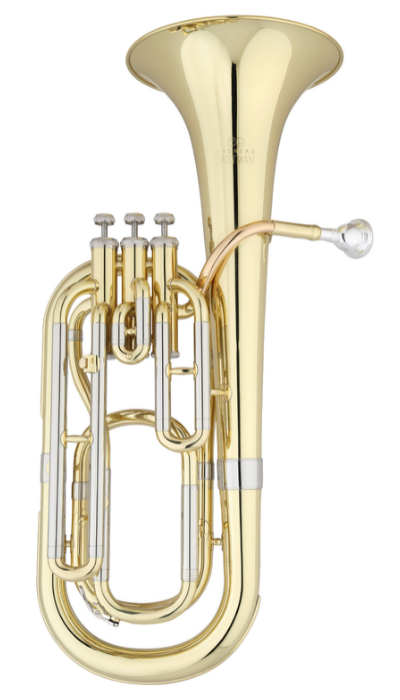
Beginner
- Yellow brass with a basic lacquer finish
- Three valves
- Non-compensating design
- Standard leadpipe and bell
- Limited tonal color and projection
- Designed for early learning and basic technique
Student
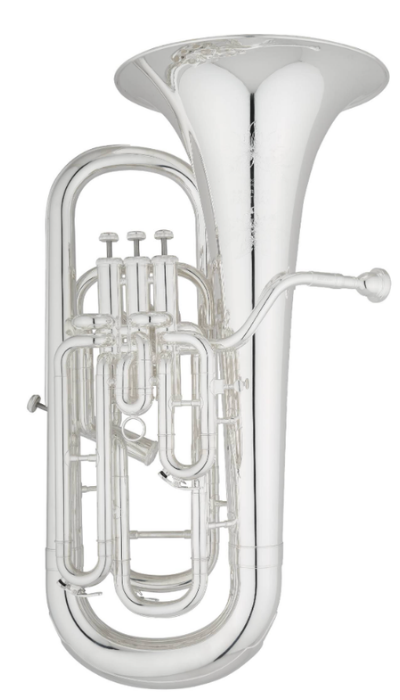
Step-Up
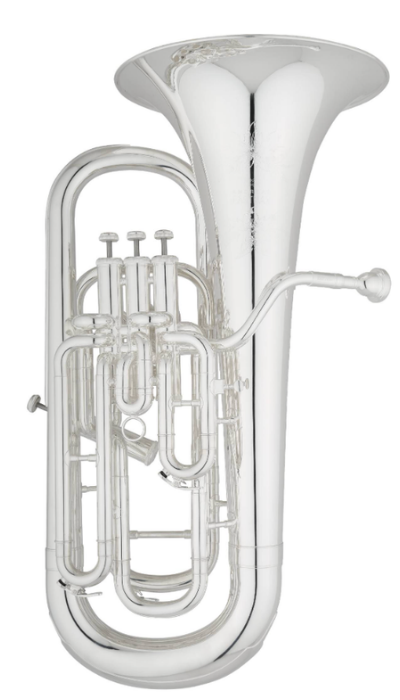
Step-Up
- Fourth valve for low notes and better-tuned fingerings
- Compensating system for in-tune low range
- Larger bore and bell for a bigger, darker sound
- Precision valves with smoother action
- Rich, warm tone with greater dynamic control
- Built to support advancing skills and expression
Did you know that a compensating euphonium tunes itself?
When the 4th valve is pressed, the air is routed through extra loops of tubing, so low notes play in tune without fighting the horn. It’s standard on professional euphoniums!
✱
Is their current mouthpiece helping or holding them back?
Most students play the same mouthpiece they started on. The right mouthpiece can make range, endurance and tone easier, and many step-up euphoniums take a larger shank. Consider a new mouthpiece! Ask us to try a few during your demo. You’ll hear the difference right away.
Key components to know
Here are the features that make the biggest difference on a step-up euphonium.
4th Valve
A fourth valve adds the low register and gives better-tuned alternate fingerings for tricky notes.
Compensating System
Extra tubing routes the air back through the valves so the low register plays in tune. A hallmark of serious euphoniums.
Bore & Bell
A larger bore and bigger bell give a fuller, darker sound that blends beautifully in band and brass ensembles.
Valves
Precision-fit Monel or stainless steel valves move fast and quietly, and stay smooth for years.
Finish
Silver plate or lacquer shapes the look and feel of the horn. Many players hear silver as a little brighter and lacquer as a little warmer.
Pro-Level Touches
Main tuning slide triggers, adjustable leadpipes, heavier valve caps and an upgraded case. Ask us which models include them!
Brands We Carry
Our stock rotates all season, so stop in or call to see which euphoniums are on the floor right now. We carry step-up models from:
Shires
Wilson
Yamaha
Eastman
We make upgrading simple
Choosing the right euphonium can feel overwhelming. But it doesn’t have to be. Here’s how to get the most from your 1-on-1 demo:
- Bring their current euphonium and mouthpiece to hear the difference side by side. We’ll start by warming up on the euphonium they have now.
- Play the same short passage on each: a scale, a few lip slurs, some low notes with the 4th valve and something they love. Make the instrument sing.
- Stay open on features. The euphonium that sounds and feels best matters more than any single spec. (Use their own mouthpiece on each horn so you’re comparing just the instrument.)
- Listen from across the room, and bring their teacher’s notes (or their teacher!).
Book a time to playtest
Call or text
New Brighton: (724) 843-9380
North Hills: (412) 821-5908
*Subject to credit approval. See store for details. · ← Back to the Step Up Your Sound Sale